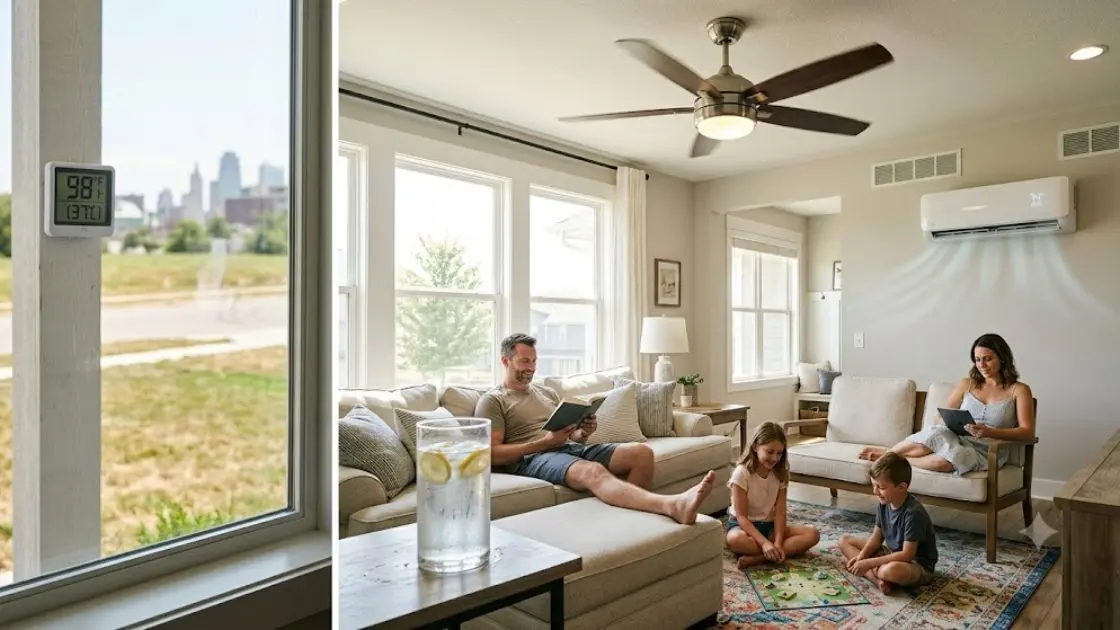
Kansas City summers are known for intense heat, high humidity, and days when temperatures stay in the upper 90s. During these extreme weather conditions, your air conditioner works harder than at any other time of the year to keep your home comfortable.
If your cooling system is already showing signs of wear, another heat wave could push it beyond its limits. The good news is that many emergency AC breakdowns are preventable with routine maintenance and early attention to warning signs.
Knowing what to look for now can help you avoid unexpected repairs, expensive emergency service calls, and the discomfort of losing your air conditioning during the hottest days of summer.
How Extreme Heat Affects Your Air Conditioner
Your air conditioner doesn’t create cold air, it removes heat and humidity from inside your home and transfers that heat outdoors.
When outside temperatures remain in the upper 90s for several days, your system has to run longer to maintain the temperature you’ve set on your thermostat. That additional workload increases stress on critical components like the compressor, fan motor, capacitor, refrigerant system, and electrical connections.
Even a small issue that goes unnoticed during mild weather can quickly become a major repair during an extended heat wave.
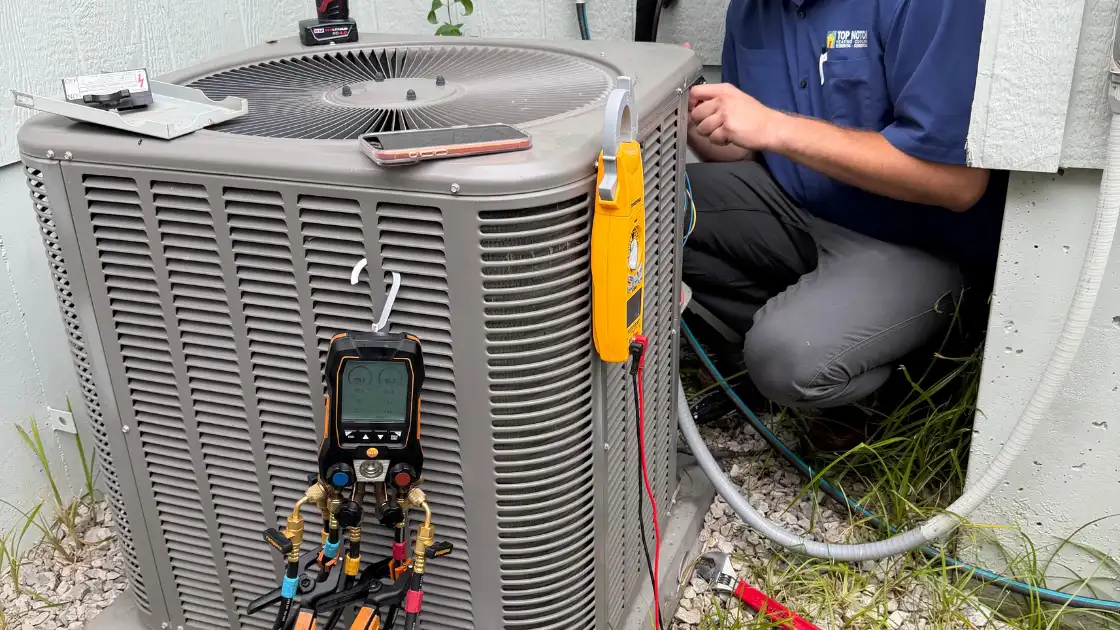
Five Signs Your Air Conditioner May Be Struggling
1. Your AC Runs Constantly
Longer cooling cycles are expected during hot Kansas City afternoons, but your air conditioner should still be able to reach your thermostat setting and cycle off periodically.
If it runs continuously or struggles to cool your home, it may indicate dirty coils, restricted airflow, low refrigerant, thermostat issues, or aging equipment.
Don’t wait until your system stops working altogether. A professional HVAC inspection can identify potential problems early, improve system performance, and help prevent an unexpected breakdown. Learn more about the HVAC services Top Notch Heating, Cooling & Plumbing offers and schedule your appointment today.
2. Warm Air Is Coming from Your Vents
If your vents are blowing warm, or only slightly cool, air, your system isn’t operating efficiently.
Common causes include:
- Low refrigerant
- Dirty evaporator or condenser coils
- Compressor problems
- Thermostat malfunctions
- Restricted airflow
The sooner these issues are diagnosed, the more likely they can be repaired before causing additional damage.
If your home isn’t cooling like it should, schedule an AC repair appointment before another heat wave arrives.
3. Weak Airflow Throughout Your Home
Are some rooms cooler than others? Does the airflow from your vents seem weaker than it used to?
Poor airflow often points to:
- Dirty air filters
- Blocked ductwork
- Blower motor problems
- Dirty evaporator coils
Not only does weak airflow reduce comfort, but it also forces your HVAC system to work harder, increasing energy usage and monthly utility costs.
Routine AC maintenance helps restore airflow and keeps your cooling system operating at peak efficiency.
4. Strange Noises or Odors
Grinding, squealing, rattling, buzzing, or unusual odors should never be ignored.
These warning signs often indicate:
- Loose components
- Worn bearings
- Electrical problems
- Failing motors
- Debris inside the system
Catching these issues early can often mean a simple repair instead of replacing major components later.
If your air conditioner sounds different than normal, it’s time to have it inspected by a professional technician. Contact Us today.
5. Your Energy Bills Keep Increasing
One of the first signs of an inefficient HVAC system is a higher-than-normal electric bill.
If your cooling habits haven’t changed but your monthly utility costs continue rising, your system may be working much harder than necessary.
Common reasons include:
- Dirty coils
- Low refrigerant
- Aging equipment
- Poor airflow
- Lack of routine maintenance
Addressing these issues early can improve efficiency while helping reduce your monthly cooling costs.
If your energy bills continue climbing, contact us today, for a professional HVAC inspection and identify what’s causing your system to work overtime.
Common Summer HVAC Repairs
During the hottest weeks of the year, HVAC companies often see many of the same HVAC repairs in the Kansas City metro and surrounding area.
Some of the most common include:
- Failed capacitors
- Refrigerant leaks
- Frozen evaporator coils
- Dirty condenser coils
- Clogged condensate drains
- Thermostat issues
- Blower motor repairs
- Electrical component failures
Many of these repairs begin as small maintenance issues that become larger problems after weeks of extreme heat.
The sooner they’re identified, the easier, and often less expensive, they are to repair.
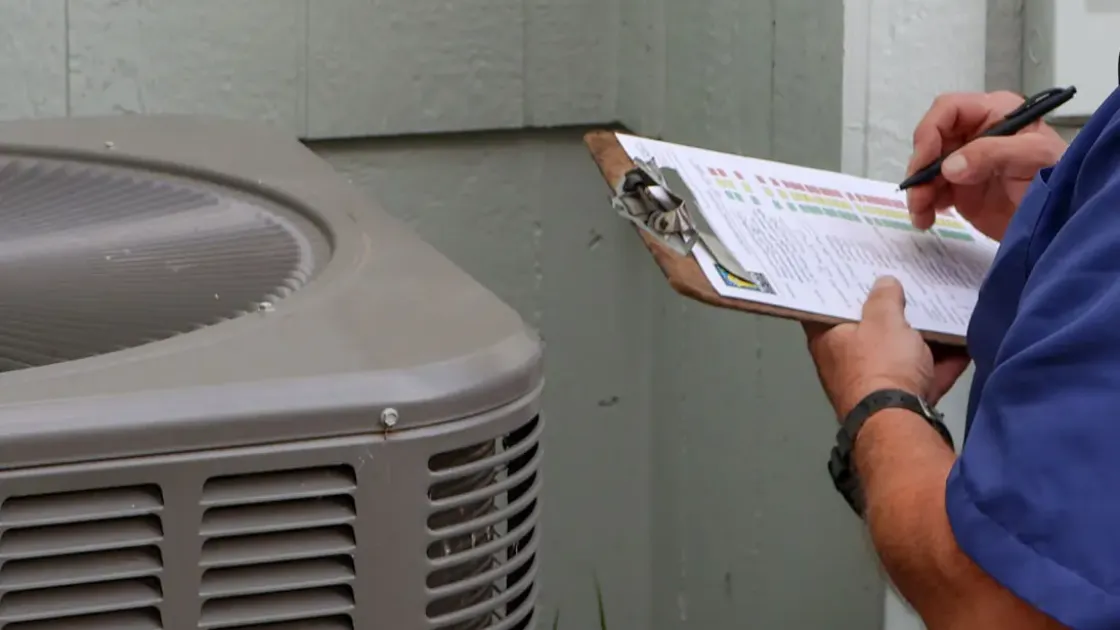
Preventative Maintenance Helps Avoid Breakdowns
Routine HVAC maintenance remains one of the best ways to prepare your system for Kansas City’s hottest weather.
During a professional AC tune-up, technicians typically:
- Clean condenser coils
- Inspect refrigerant levels
- Tighten electrical connections
- Test system performance
- Lubricate moving parts
- Clean condensate drains
- Verify thermostat operation
- Inspect or replace air filters
These preventative services improve efficiency, reduce energy usage, help prevent unexpected repairs, and extend the lifespan of your equipment.
Make Maintenance Simple Every Year With Top Notch VIP
Instead of trying to remember when it’s time for another tune-up, join the Top Notch VIP Priority Club. Members receive scheduled seasonal maintenance, priority scheduling, exclusive discounts, and the peace of mind that their HVAC system is professionally maintained year after year.
Repair or Replace HVAC Unit?
If your air conditioner is more than 10–15 years old, requires frequent repairs, or struggles to keep your home comfortable despite regular maintenance, replacement may be the smarter long-term investment.
Today’s high-efficiency HVAC systems offer:
- Lower monthly utility costs
- More consistent temperatures
- Better humidity control
- Quieter operation
- Improved energy efficiency
- Smart thermostat compatibility
Financing Makes Upgrading Easier
A new HVAC system is a significant investment, but it doesn’t have to be overwhelming. Top Notch Heating, Cooling & Plumbing offers flexible financing options to help homeowners upgrade to a more reliable and energy-efficient system while staying within budget.
Our team can help you compare repair costs with replacement options and recommend the best solution for your home.
Don’t Wait Until the Next Heat Wave For AC Service
The busiest days for HVAC companies are almost always the hottest days of the year.
Waiting until your air conditioner stops working often means longer wait times, emergency service calls, and spending time without the comfort your family depends on.
Whether your system needs a seasonal tune-up, a repair, or simply a professional inspection, taking action before the next heat wave arrives can save you time, money, and unnecessary stress.
At Top Notch Heating, Cooling & Plumbing, we’re proud to help homeowners throughout the Kansas City metro stay comfortable with honest recommendations, dependable service, and experienced HVAC technicians for the last 51 years.
Call 913-535-8002 today to schedule your AC maintenance, HVAC inspection, or repair appointment before the next heat wave arrives.
Frequently Asked Questions
Most HVAC professionals recommend scheduling maintenance once a year, ideally before the peak summer cooling season begins.
Warm air may indicate low refrigerant, dirty coils, thermostat issues, compressor problems, or restricted airflow. A professional inspection can determine the exact cause.
Longer cooling cycles are expected during periods of extreme heat. However, your system should still be able to maintain the thermostat setting. If it never cycles off, it should be inspected.
While no repair can be guaranteed, routine maintenance significantly reduces the risk of unexpected equipment failures and helps your system operate more efficiently.
If your system is more than 10–15 years old, requires frequent repairs, or has become inefficient, replacing it may save money on energy costs and future repairs.